
The Price of Rupert’s Scheme
When You Were MineThis thread follows the financial motives behind Rupert Davenport’s coercion, the attempted use of a forged betrothal to reach Isobel’s inheritance, and the evidence that exposes the scheme.
increasing Bearing strength in each event
 decreasing
Bearing strength in each eventdecreasingDebts Closing In
Debts Closing In
A Guardian in Financial Trouble
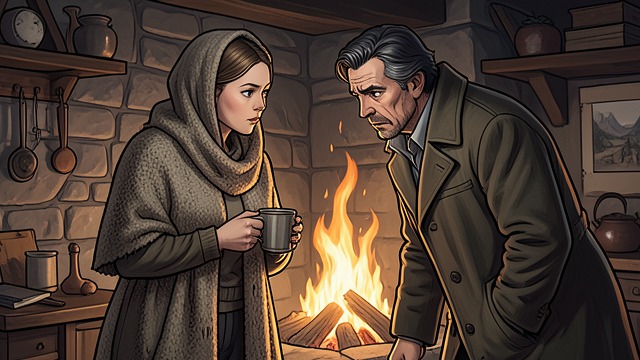
Peter learns that Rupert Davenport is burdened by debts and has lost the patience of people who expect repayment. Rupert has relied on questionable dealings and now faces pressure from creditors and lenders while staying away from his usual London haunts.
A Motive for Control
Rupert’s financial distress gives the searchers a reason to suspect that Isobel’s removal was not simply an act of family authority. Her future inheritance and property represent resources that Rupert cannot otherwise readily obtain.
The debt picture reframes the danger around Isobel. The guardian who claims to manage her interests may instead be trying to convert his legal control into cash, making her safety inseparable from the question of who can command her property.
A Marriage for Payment

A Marriage for Payment
The Proposed Transaction
Rupert plans to marry Isobel to Bertram DeLisle, presenting the arrangement as a betrothal and preparing for the man to visit. Isobel understands from the threats around her that this is not a courtship she can freely accept or refuse without consequence.
DeLisle’s Financial Incentive
During the final confrontation, Rupert admits that DeLisle paid him to bring Isobel to him. DeLisle expected to obtain access to her property and fortune after the marriage, while Rupert expected a share that could hold his creditors at bay.
The arrangement treats Isobel as both a person to be controlled and an asset to be transferred. Her escape prevents the men from completing their bargain, but it also leaves them with a continuing incentive to find her and force the financial transaction through.
The Refused Betrothal
The Refused Betrothal
A Document Demanding Consent
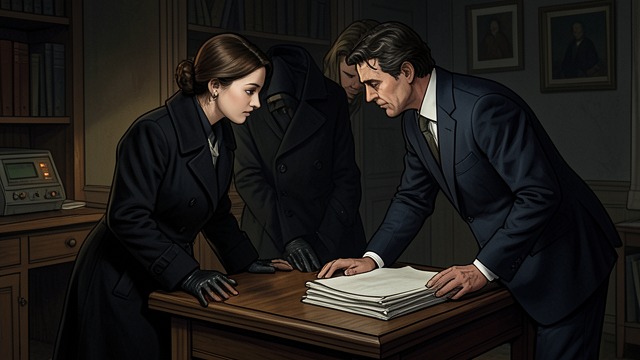
Rupert repeatedly presents Isobel with a betrothal document naming Bertram DeLisle as her intended. The document already bears the men’s signatures, but Isobel understands that they also need hers to make the arrangement useful in forcing her toward marriage and the transfer of her wealth.
Resistance With a Price
Isobel refuses to sign despite the beatings and threats that follow. At the time, she can only experience the immediate cost of refusal; she does not know that the paper will later become evidence of a broader plan to seize her property.
Her refusal preserves a crucial distinction between a guardian’s asserted power and Isobel’s own consent. When she eventually remembers the document, that private act of resistance becomes the means of exposing what Rupert and DeLisle intended to do.
The Evidence Recovered
The Evidence Recovered
Isobel Connects the Clues
After turning twenty-five, Isobel recognizes that Rupert’s interest in her cannot be explained only by his claimed guardianship. She recalls the betrothal document and reasons that its proposed dowry and property terms point toward an attempt to gain control of her inheritance.
A Risky Search
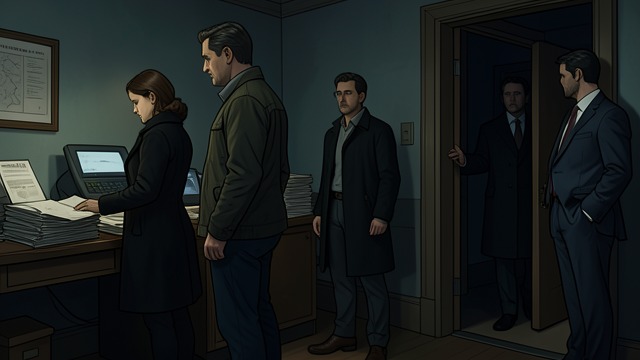
Isobel insists on joining Dominic Cavendish in a break-in at Rupert’s house, arguing that she knows what the document looks like and can help locate it. They avoid the moving candlelight of the household watch and search the rooms until Dominic finds the papers.
The recovered documents turn Isobel’s memory into tangible evidence. They show that Rupert and DeLisle had prepared a coercive arrangement in advance and expected Isobel’s signature to unlock value they could not lawfully claim for themselves.
The Scheme Exposed

The Scheme Exposed
A Failed Claim to Marriage
Rupert and DeLisle arrive at Havistock Hall with purported marriage papers, claiming Isobel is already DeLisle’s wife. Peter and Dominic challenge the papers and the men’s authority, while the recovered betrothal documents and accumulated witness accounts undermine their version of events.
The Motive Spoken Aloud
Cornered, Rupert admits that he needed money from DeLisle to keep creditors away while trying to obtain Isobel’s signature on papers transferring Gosport Hall and control of her funds. DeLisle confirms that he expected Isobel’s property to become accessible after marriage and threatens that she would be discarded if she did not provide an heir.
The confession clarifies the entire financial design: the marriage claim, the pressure to sign, and the attempt to control Isobel were parts of the same scheme. DeLisle dies during the confrontation, while Rupert is taken to Derby Gaol to await trial on charges that include attempted murder, kidnapping, and embezzlement.
After Dominic and Peter begin searching for Isobel
During Isobel’s captivity at Gosport Hall, before her escape
During the weeks Isobel is imprisoned at Gosport Hall
After Isobel turns twenty-five, during the nighttime search of Rupert’s house
During the final confrontation at Havistock Hall
